



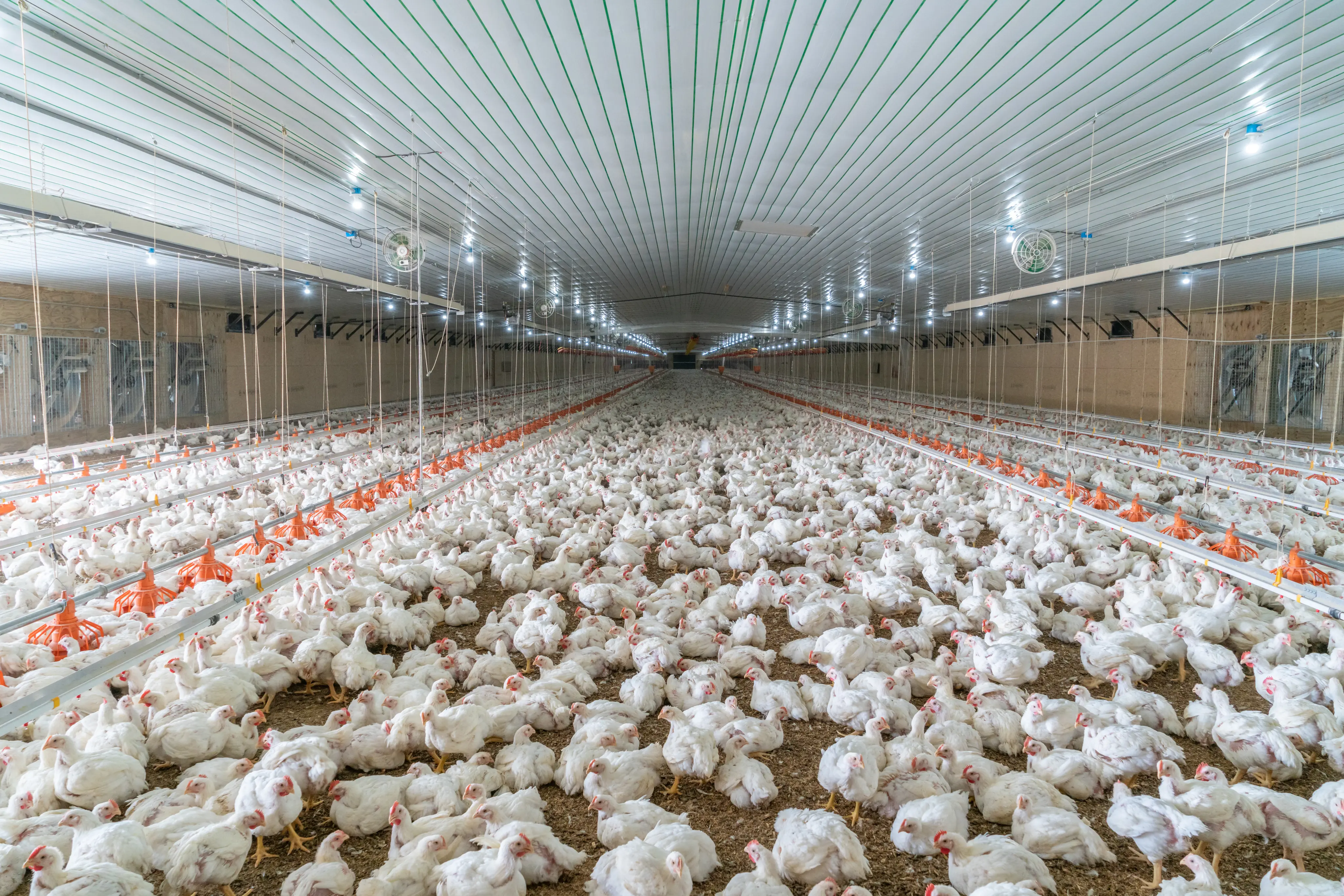
Recently, we've been spending more time talking with producers in alternative production systems, including pasture-raised and organic operations. Through those conversations, one disease consistently comes up as a top concern: necrotic enteritis.
Necrotic enteritis is one of the most economically damaging diseases in poultry, costing the global industry an estimated $6 billion each year (Wade and Keyburn, 2015). For much of its history, necrotic enteritis was kept in check through routine antibiotic use. As antibiotic use has declined, necrotic enteritis has made a quiet comeback, and it has been felt most acutely in organic and no-antibiotics-ever (NAE) broiler production.
For organic producers, the stakes are different. They don't have the backstop of antibiotics to manage an outbreak. Instead, they rely on prevention and a limited toolbox of approved inputs to protect their birds, which means that by the time necrotic enteritis becomes clinically obvious, the most useful window for action has usually closed.
Sudden Outbreaks and Quiet Losses
In its acute form, the signs are hard to miss: sudden mortality, blackened and necrotic intestines, and losses that mount quickly with little time to respond. But necrotic enteritis can also present as a subclinical infection that quietly erodes feed conversion, slows weight gain, and drags down flock performance week after week, often without ever triggering a clear diagnosis. For growers operating on tight margins, those losses add up fast. Both forms result in reduced productivity and real economic losses, and both can be difficult to recognize early enough to change the outcome.
A Disease Driven by Partnership
One of the reasons necrotic enteritis is so difficult to manage and control is that it is not caused by a single pathogen acting alone. Clostridium perfringens, the anaerobic, spore-forming bacterium responsible, is an opportunistic pathogen that is ubiquitous in the environment. Finding C. perfringens in a barn does not, on its own, mean a flock is at risk. What matters is which strains are present and what other disruptions in the birds' gut have created the conditions for those strains to flourish.
This isn't unique to poultry. Earlier in my career working with sheep, I saw the same dynamic play out with C. perfringens. The bacterium was almost always present in the environment, but disease typically only emerged when something else changed — a feed transition, a stressful event, or another disruption to the gut that shifted conditions in favor of the bacterium. The pathogen itself wasn't new; the conditions around it were. The same logic applies in broiler flocks.
C. perfringens is classified into seven toxinotypes (A through G) based on the toxins each strain produces. In poultry, types A and C have historically been linked to necrotic enteritis, while a newer classification, type G, specifically captures strains carrying the netB gene that are now recognized as the main drivers of broiler necrotic enteritis. Detecting these virulence markers helps distinguish disease-causing strains from other C. perfringens routinely found in poultry environments. Even so, carrying these factors is rarely enough to cause disease on its own. C. perfringens needs a predisposing insult to flourish, and in broilers the most common one is coccidiosis.
Eimeria species, the protozoa behind coccidiosis, damage the intestinal lining and trigger a mucogenic response that floods the gut with proteins and nutrients. This creates an ideal environment for C. perfringens proliferation. E. maxima and E. acervulina, which colonize the small intestine, are strongly linked to predisposing birds to necrotic enteritis. Without a strong coccidiosis control plan and meticulous tracking of coccidia cycling, that intestinal damage can build unchecked. And when it coincides with the right C. perfringens strain, the conditions for necrotic enteritis fall into place.
From Confirmation to Anticipation
That is why meaningful surveillance should track both pathogens at the same time. Today, diagnostics around necrotic enteritis are largely reactive; by the time a diagnosis becomes obvious, the losses have already hit the producer and options for intervention and treatment are limited. Traditional methods are not designed to prospectively track the convergence of C. perfringens virulence pressure and Eimeria co-infection across an entire flock.
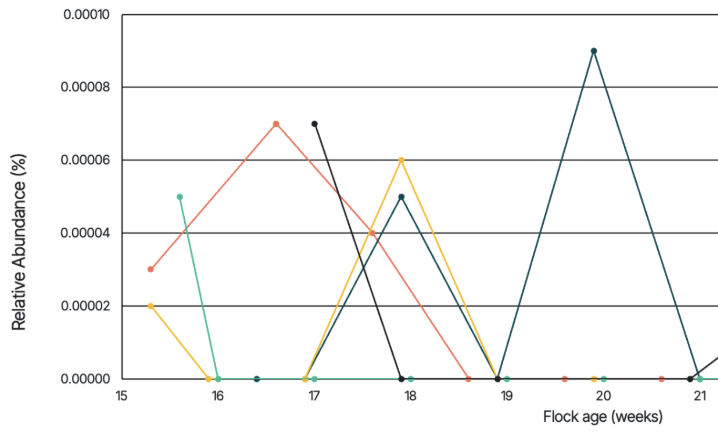
This is where environmental, barn-level microbiome monitoring has something new to offer. A boot sock swab from a barn captures the full microbial population of the flock. Through shotgun metagenomics, that sample can quantify C. perfringens abundance, screen for the virulence genes (including netB), and simultaneously track which Eimeria species are present and at what levels compared to what is seen in healthy flocks.
This single sample provides a full picture of the pathogen pressures behind necrotic enteritis. Weekly sampling that fits into routine farm workflow and represents the whole flock can help producers identify necrotic enteritis risk early and evaluate the impact of mitigation strategies. With visibility into what is happening at the barn level on a regular basis, organic producers can move from reacting to necrotic enteritis after losses have accumulated to anticipating risk and minimizing impacts.
If you're dealing with necrotic enteritis pressure in your flocks, whether dramatic outbreaks or the steady, harder-to-pin-down losses of subclinical disease, we'd love to talk. Reach out to us at support@barnwellbio.com to learn how barn-level microbiome monitoring could fit into your management approach.
.jpg)

.jpg)
.jpg)
