Saving Money by Optimizing Litter Management

Testing the full C&D protocol.

A contract grower for a national broiler integrator came to Barnwell Bio with ongoing issues, including decreased flock performance and increased mortality. The producer wanted to  know if their sanitation and downtime protocol was carrying any disease risk flock-to-flock unknowingly.

‍

They wanted producer wanted to know:

  • What pathogens are persistent vs. eliminated?
  • What is C&D doing to the beneficial bacteria?
  • Which of the 5 different treatments is working?
Evaluating each step of the process.

For the producer, it was difficult to identify the rootcause of the disease issues between flocks. They were performing multiple cleaning steps and applying several amendments and probiotics, which was costly and ineffective. Understanding the true impact of these steps was critical to improve operational efficiency.

For Barnwell, evaluating the full impact of these steps meant looking at problematic disease-causing organisms and  beneficial microbes at each stage in the proces to fully understand the changes over time.

Disinfectants obstruct litter amendments.

Sampling before and after each step of the downtime protocol for House 1 and House 2 showed clear results for both:

⚠️ Disinfectants worked at decreasing bacterial load, but left opportunistic space for bacteria to proliferate. This informed the producer they need to be careful to not clear out the baseline microbiome by over-sanitizing.

❌ Probiotic was applied immediately after disinfection, causing the beneficial bacteria to never establish themselves in the environment prior to placement.

❌ When testing amendments in two houses, we found no significant microbiome difference pre and post-application.

‍"Your testing was an eye opener for me on how to save money."

For the producer, using multiple treatments is very expensive and time consuming. Seeing their individual impact helped the farm owner reduce treatment application costs for future flocks.

Their C&D protocol proved effective at elminating bacteria, but left room for new bacteria while killing probiotics at the same time.

The litter amendments were unable to establish a healthy microbiome post-cleaning. Spacing out disinfection and application would help create a stronger, stable environment prior to bird placement.

These results also showed birds are likely coming in with existing infection, rather than caused by the litter microbiome.

Lean into what really works.

‍

Test cleaning protocols,

Evaluate new treatments,

Increase production efficiency.

Ready to see what's in your barn?‍

Get data to improve your litter management strategy.

Meet with the Barnwell team today.
Additional Case Studies
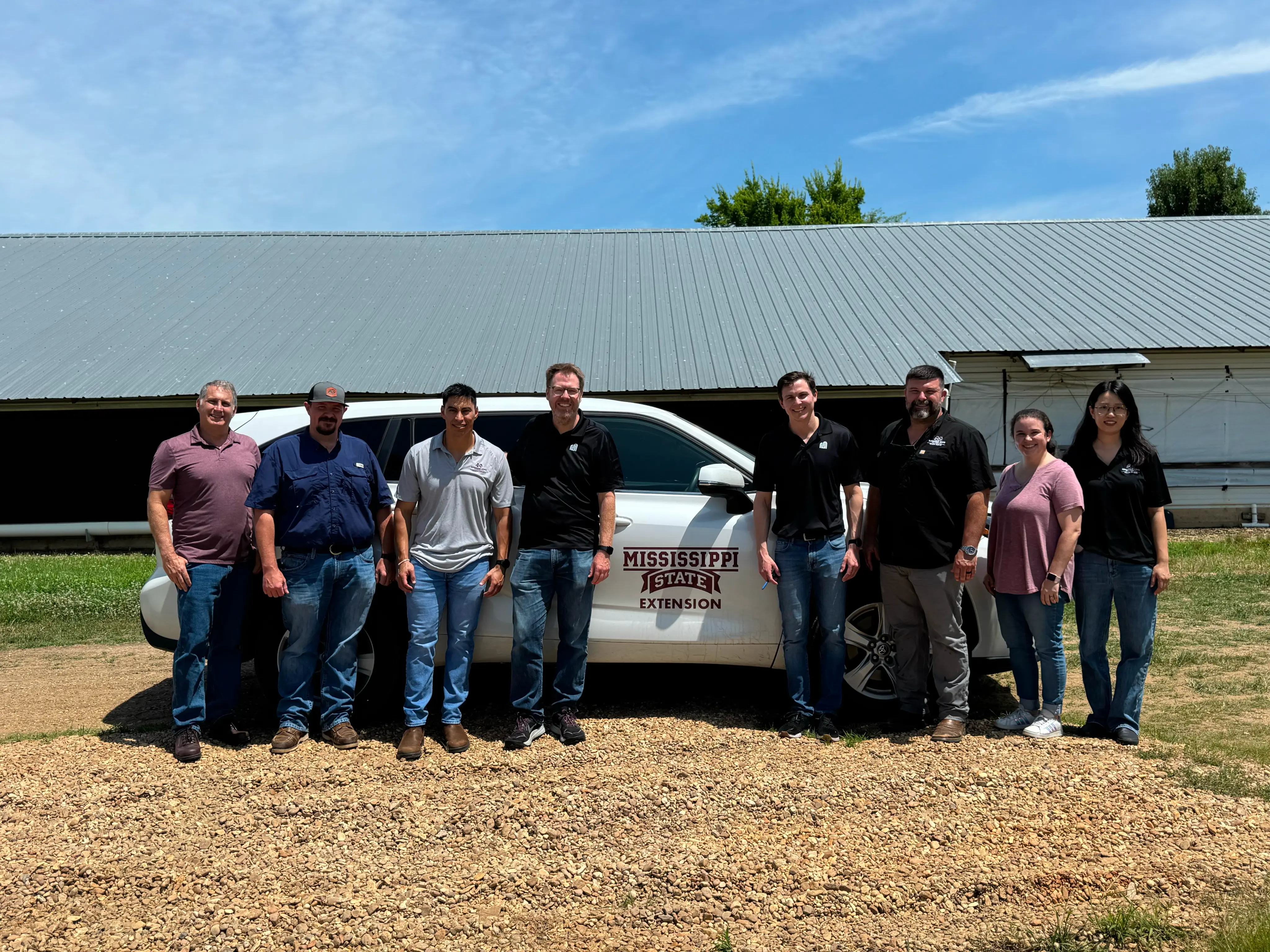
Mississippi State University Poultry Science barn and Barnwell team
Case Study
Mississippi State’s 14-day Early Detection Window
Mississippi State University Poultry Science barn and Barnwell team
Case Study
How Amick Improved Their Flock Treatment Strategy